byfsrhlu7g6ewot: Unmasking the Code That’s Quietly Powering the Digital World


In the crowded universe of digital identifiers, encrypted tokens, mysterious code strings, and branded domain names, every now and then a strange sequence pops up that gets people curious. One of the latest among those intriguing codes is “byfsrhlu7g6ewot.” At first glance, it looks like keyboard chaos — something that might appear in a debug log or a corrupted URL. But if you dig a little deeper, you start realizing that this string has been surfacing in multiple contexts: tech guides, blog posts, security write-ups, and even as a brand identity for websites publishing tech-forward content.
So what exactly is byfsrhlu7g6ewot? Is it a code? A protocol? A brand? A digital artifact? Or just a catchy random sequence that became the internet’s latest curiosity?
This long-form guide takes you through everything that has been said, theorized, published, and speculated about byfsrhlu7g6ewot. Whether you’re a tech enthusiast, a blogger, a cybersecurity fan, or just someone wondering why this odd combination of letters keeps popping up, this article aims to unpack the entire story — from technical architecture to cultural intrigue.
1. The Rise of byfsrhlu7g6ewot: Why Everyone Is Searching for It
Search trends over the past months have shown a spike in interest around byfsrhlu7g6ewot, despite it not belonging to any known commercial product, official protocol, or documented open-source project. The reasons are surprisingly varied:
- Several tech and news blogs have published articles using this keyword.
- Some domains have adopted byfsrhlu7g6ewot directly as part of their branding.
- A highly shared technical guide framed it as a “secure digital identifier protocol.”
- Social media users became intrigued after seeing it pop up in obscure URLs and app logs.
- SEO-heavy sites started writing explainers around the keyword due to its sudden searchability.
In other words, the term sits at the intersection of technology, mystery, culture, and content creation — which is exactly why it exploded.
2. What Is byfsrhlu7g6ewot, Exactly? Breaking Down the Big Interpretations
After surveying the content landscape, three major interpretations appear consistently. Let’s break them down clearly.
A. A Brand / Website Name
Several websites, including blog-style information hubs, use byfsrhlu7g6ewot as their domain name. They publish:
- Tech explainers
- How-to guides
- Digital trends
- Communication app comparisons
- Business and supply chain insights
In these cases, the term isn’t explained — it simply functions as a unique, memorable identifier, similar to how brands like Google, Etsy, or Tumblr emerged from abstract naming conventions.
B. A Secure Identifier / Cryptographic Token Framework
One of the most widely circulated pieces about byfsrhlu7g6ewot describes it as:
“A next-generation secure digital identifier protocol designed for generating, verifying, and binding cryptographically unique tokens.”
In this framing, byfsrhlu7g6ewot is not a random string at all — it’s a conceptual blueprint for managing secure tokens in distributed systems.
C. A Symbol of Internet Mystery
Several blogs treat it as a representative example of:
- Modern digital randomness
- Test identifiers
- URL parameters
- Encrypted key segments
- Analytics tokens
These articles treat byfsrhlu7g6ewot more like a window into the invisible infrastructure that powers authentication, analytics, and encryption online.
3. The Technical Interpretation: byfsrhlu7g6ewot as a Secure Identifier Protocol

Let’s dig deeper into the technical explanation, because this is where things get genuinely interesting.
The protocol description revolves around four layers:
1. Generation Layer
Here, entropy sources and cryptographic methods generate unique strings similar to byfsrhlu7g6ewot. It relies on:
- AES-256
- SHA-3
- ChaCha20
- Hardware entropy pools
The goal: produce identifiers that cannot be predicted, duplicated, or reverse-engineered.
2. Verification Layer
This layer ensures that information bound to the identifier is authentic. It uses:
- HMAC
- ECDSA
- Certificate chains
- Time-salt validation
It prevents token spoofing and unauthorized reuse.
3. Binding Layer
This is the heart of the architecture:
- Device metadata
- User ID
- TLS session identifiers
- Timestamps
- Geolocation signatures (optional)
All of these bind a token to a specific context — making it secure even outside a centralized environment.
4. Transport Layer
Finally, tokens are transported across:
- APIs
- Microservices
- Cloud federated systems
- IoT networks
This layer ensures compatibility and secure transmission.
Why It Matters
If the protocol interpretation is accurate, byfsrhlu7g6ewot represents:
- Zero-trust authentication
- Distributed identity verification
- Secure IoT communication
- Blockchain-integrated identity
- Anti-replay cryptographic signatures
In simpler words, it could be the digital equivalent of a super-secure passport that systems use to validate identity without relying on centralized trust.
4. Random Strings Like byfsrhlu7g6ewot and Why They Matter on the Web
You may wonder: Why do random-looking strings matter?
Great question — because they appear everywhere online, quietly.
Here’s where they show up:
• Encrypted keys
Many encryption tools produce output strings that look a lot like byfsrhlu7g6ewot.
• URL parameters
Ever clicked a link with odd tracking characters? Same idea.
• App debugging logs
Developers use random identifiers to trace sessions or events.
• Activation codes and license keys
Many software systems base their key generation on patterns that produce similar randomness.
• Cloud synchronization metadata
Session tokens used by platforms like AWS or Firebase often resemble it.
These strings act as digital fingerprints — unreadable to humans but essential to secure communication, authentication, and device identity.
5. The Cultural Side: The Internet Loves a Mystery Code
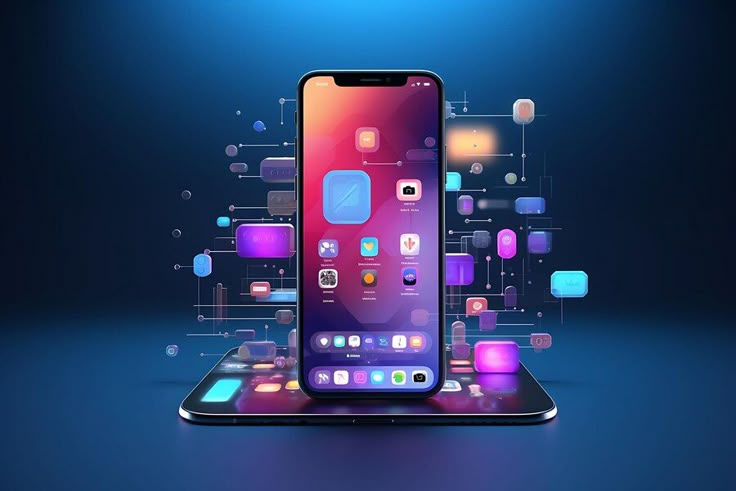
Not all interest is technical. A large chunk of online fascination with byfsrhlu7g6ewot comes from digital folklore.
Think of it like this:
- Something mysterious appears.
- People Google it.
- They find multiple articles explaining it but none giving a definitive meaning.
- Curiosity grows.
- More articles are written.
- The keyword becomes internet folklore.
This has happened before with:
- “asdlkfj123”
- “r4gn8e9f”
- “uwu codes”
- Game debug IDs
- Viral TikTok random codes
The phenomenon is simple:
Humans love mystery. The internet amplifies mystery.
byfsrhlu7g6ewot fits perfectly into this cultural pocket — a string that feels like a puzzle but isn’t attached to any publicly known product.
6. The Domain Ecosystem: Why Sites Are Using the Keyword
One of the most noticeable trends is that the term isn’t used only as an identifier but also:
- As a brand name
- As a domain
- As a search keyword magnet
Sites using byfsrhlu7g6ewot as their identity publish articles in:
- Technology
- Business
- Messaging platforms
- App tutorials
- Lifestyle & productivity
- Software explainers
The pattern mimics emerging content hubs that rely on unique, algorithm-friendly names (like Medium clones, auto-pilot blogs, AI-driven publications).
This quirky name helps:
- Stand out
- Rank uniquely in search engines
- Build an identifiable SEO footprint
- Avoid competition over common keywords
That’s why “random-name blogs” have been increasing in popularity — and byfsrhlu7g6ewot fits the trend perfectly.
7. Why byfsrhlu7g6ewot Resonates in 2025: The Bigger Picture
The keyword exploded not because of its meaning but because of what it represents:
1. The hidden architecture of the internet
Most non-technical users never see the layers of identity verification happening behind the scenes.
2. The curiosity around digital codes
People love discovering secrets and feeling like they’ve uncovered something special.
3. The rise of AI-generated identifiers
AI systems generate tons of unique strings — some of which go viral purely by accident.
4. The SEO and content boom
Websites now capitalize on unique identifiers to dominate micro-search spaces.
5. The appeal of mystery
In a world overflowing with predictable digital content, mystery sells.
8. So… What Does byfsrhlu7g6ewot Truly Mean?
The real answer is:
It means whatever context gives it meaning.
In some places, it’s a brand.
In others, it’s a secure identifier.
In others, it’s a placeholder example for digital randomness.
And for many users, it’s simply an intriguing internet easter egg.
But what’s undeniable is that byfsrhlu7g6ewot has become a great conversation piece about:
- Cybersecurity
- Identity protocols
- Content trends
- Digital culture
- The invisible machinery behind modern technology
No matter which angle you explore, the term acts as a gateway into deeper conversations about how the technological world functions.
9. Conclusion: The Code That Became a Conversation
Whether byfsrhlu7g6ewot is a brand name, a cryptographic token prototype, a mysterious code fragment, or simply a catchy string that caught the internet by surprise, its rise reveals something important:
The digital world isn’t just made of code — it’s made of curiosity.
We live in a time when even a 14-character sequence can start discussions about identity, cybersecurity, architecture, and online culture. And that’s the beauty of the modern web: the tiniest spark can open the door to bigger questions.
If you create content, build tech, or even casually browse online, byfsrhlu7g6ewot is a great reminder of how much of the internet operates beneath the surface — silently, securely, and mysteriously.
And if you want to follow more explorations into tech curiosities, digital phenomena, and emerging internet culture, don’t forget to check out my blog Newsta — where unusual ideas always get the spotlight.
FAQs About byfsrhlu7g6ewot
1. What is byfsrhlu7g6ewot?
byfsrhlu7g6ewot is a unique digital term that appears across blogs, tech discussions, and cybersecurity contexts. It’s often interpreted as a secure identifier, a random code string, or even a brand name used by certain websites.
2. Is byfsrhlu7g6ewot a real technology or protocol?
While not an officially recognized standard, some resources describe it conceptually as a modern secure identifier protocol used to represent how encrypted tokens or unique digital signatures function in distributed systems.
3. Why is byfsrhlu7g6ewot trending online?
Its popularity comes from curiosity, SEO-driven content, tech discussions, and websites using it as a brand name. People often search it after seeing the code in URLs, app logs, or articles.
4. Does byfsrhlu7g6ewot have a specific meaning?
Not universally. Its meaning depends on context—sometimes it’s a placeholder identifier, sometimes a branding term, and sometimes an example used to explain cryptographic randomness.
5. Can byfsrhlu7g6ewot be used in software or security systems?
Yes, in concept. It resembles the structure of random identifiers used in authentication, tokenization, tracking parameters, API keys, and encrypted session IDs.
6. Why do websites use byfsrhlu7g6ewot as a domain name?
Because unique, non-dictionary names are easy to brand, easy to rank in search engines, and help avoid competition from existing domains. They also fit modern minimalist tech-site aesthetics.
7. Is byfsrhlu7g6ewot safe?
Yes — it’s just a harmless string of characters. It poses no security threat by itself and doesn’t contain malware or executable code.
8. Why do random strings like byfsrhlu7g6ewot matter in cybersecurity?
Random code strings are critical in encryption, identity verification, and session management. They help prevent brute-force attacks, impersonation, and data tampering by creating unpredictability.
9. How does byfsrhlu7g6ewot relate to digital culture?
It has become a small piece of digital folklore. People love decoding mysterious strings they see online, and this one has sparked curiosity because of how often it shows up in articles and tech content.
10. Can I write content targeting the keyword byfsrhlu7g6ewot?
Absolutely. Because the term is unique and low-competition, it’s great for ranking new blog posts, creating niche articles, or exploring tech topics creatively—just like on your site Nesta.