Beauty Lounge of a Sort NYT: What the Phrase Reveals About Modern Beauty Spaces

The phrase “beauty lounge of a sort NYT” may look unusual at first glance. It doesn’t read like a typical business name or trend label. Instead, it reflects how language, culture, and modern beauty businesses sometimes intersect in unexpected ways. The wording gained attention through a wordplay-style reference connected to the New York Times, but its meaning extends well beyond puzzles or clever clues.
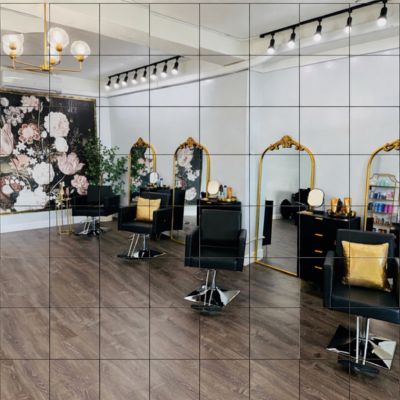
At its core, the phrase points to a broader idea: how modern beauty lounges are being redefined. These spaces no longer fit neatly into old categories like “salon” or “spa.” Instead, they sit somewhere in between—offering focused services, curated experiences, and a relaxed atmosphere that feels more social than clinical.
For readers encountering the term for the first time, it helps to think of it not as a literal label, but as a descriptive shortcut. It captures how certain beauty businesses function like lounges, even if they don’t follow the traditional model. This flexibility in meaning is part of what makes the phrase interesting—and useful—for understanding where the beauty industry is heading.
On Newsta, topics like this matter because they reflect larger shifts in consumer behavior, language, and lifestyle. Beauty today is not just about appearance. It is tied to routine, identity, time management, and even mental well-being.
How Beauty Lounges Evolved Into a Category “of a Sort”
To understand the idea behind a beauty lounge of a sort, it helps to look at how beauty spaces have changed over time.
Traditionally, beauty services were clearly divided. Hair salons handled hair. Nail salons handled nails. Spas focused on relaxation or skincare. Each had its own expectations, pricing structure, and audience. Visits were often occasional, planned events rather than regular habits.
Over the last two decades, that structure has shifted. Urban lifestyles became faster, schedules tighter, and expectations higher. Many people wanted efficient services without sacrificing comfort. This opened the door for hybrid spaces—places that didn’t do everything, but did one or two things very well in a comfortable, lounge-like environment.
This is where the idea behind the phrase emerges. A “beauty lounge of a sort” is not always a full-service salon. It may specialize in a narrow offering, such as styling, grooming, or skin maintenance. What makes it a lounge is not the menu, but the experience:
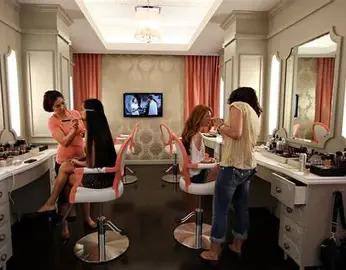
- Relaxed seating instead of rows of workstations
- Appointments designed to be quick but unhurried
- Interiors that feel more like living spaces than workplaces
- A focus on routine visits rather than special occasions
The phrase also reflects how language adapts. When traditional labels no longer fit perfectly, people reach for descriptive wording instead. That’s how something becomes a “beauty lounge of a sort”—not exactly one thing, but close enough to feel familiar.
What Defines a “Beauty Lounge of a Sort” Today
While the phrase itself is flexible, the concept behind it has some consistent characteristics. These are not strict rules, but common traits seen across many modern beauty spaces that fit this description.
Focused Services Rather Than Everything at Once
A key feature is specialization. Instead of offering a long list of treatments, these lounges often focus on a narrow set of services. That might mean hair styling without cutting, skincare without medical treatments, or grooming without complex add-ons.
This focus allows for:
- Faster service times
- Clear pricing
- Staff trained deeply in specific skills
- A predictable experience for clients
From a customer perspective, this reduces decision fatigue. People know exactly what they are going in for, and what they will leave with.
Design That Encourages Comfort, Not Rush
Unlike traditional high-volume salons, these spaces often emphasize comfort over capacity. Chairs are spaced out. Lighting is softer. Noise is controlled. The goal is to create a place where clients feel at ease, even during short visits.
This lounge-style environment is part of what makes the term resonate. Even if the service is brief, the setting signals care and intention.
Routine Rather Than Occasion-Based Visits
Another defining element is frequency. A beauty lounge of a sort is designed for repeat, routine visits. Clients might stop by weekly or monthly, much like going to a gym or café.
This changes the relationship between business and customer. It becomes less transactional and more habitual. Over time, familiarity builds trust, which is essential in personal care services.
Clear Boundaries and Transparency
Modern beauty consumers value clarity. These lounges typically offer:
- Upfront pricing
- Simple menus
- Straightforward booking systems
There is less pressure to upsell or add unnecessary services. This transparency supports a relaxed experience and helps explain why people gravitate toward these spaces.
Cultural and Economic Reasons the Concept Resonates
The popularity of the beauty lounge of a sort NYT concept is not accidental. It reflects broader cultural and economic patterns that shape how people spend their time and money.
Time as a Primary Currency
In many cities, time is more valuable than ever. People are willing to pay for efficiency, but not at the cost of comfort. Beauty lounges that streamline services while maintaining a pleasant atmosphere meet this demand directly.
Instead of spending half a day at a traditional salon, clients can schedule shorter visits that fit neatly into their routines. This aligns with how modern professionals structure their days.
Shifting Ideas of Self-Care
Self-care has moved from being an occasional luxury to a regular practice. However, not everyone wants or needs elaborate treatments. For many, self-care means consistency rather than indulgence.
A beauty lounge of a sort supports this mindset. It offers maintenance rather than transformation, familiarity rather than spectacle.
Experience Over Excess
There is also a growing preference for curated experiences over excessive choice. Too many options can feel overwhelming. A focused lounge simplifies decisions while still delivering quality.
This approach mirrors trends seen in other industries, from fitness to food. People increasingly value places that do fewer things well.
Language as a Reflection of Change
The phrasing itself—of a sort—signals flexibility. It acknowledges that the business doesn’t fit neatly into old definitions. This kind of language is common during periods of transition, when categories are evolving faster than vocabulary.
Why the Phrase Matters Beyond Wordplay
At first glance, beauty lounge of a sort NYT may seem like a clever phrase without much substance. But its relevance goes deeper. It captures a moment where beauty culture, business models, and everyday language intersect.
For writers, marketers, and readers alike, the phrase highlights how modern beauty spaces resist simple labels. They are not fully salons, not fully spas, and not entirely social clubs—yet they borrow elements from all three.
Understanding this helps explain why certain beauty businesses feel different, even if their services seem familiar. It also explains why consumers respond positively to spaces that feel intentional without being intimidating.
From an SEO perspective, the phrase works because it taps into curiosity. People searching for it are often looking for meaning, context, or explanation—not just a definition. That makes it a strong entry point for broader discussions about beauty trends and lifestyle shifts.
On Newsta, examining terms like this helps bridge the gap between language and lived experience. It turns a simple phrase into a lens for understanding how people interact with modern services.
Conclusion: What “Beauty Lounge of a Sort NYT” Ultimately Signals
The phrase beauty lounge of a sort NYT is more than a clever construction. It reflects how beauty spaces are evolving to meet modern expectations around time, comfort, and routine. These lounges sit comfortably between categories, offering focused services in environments designed for ease rather than excess.
As beauty culture continues to shift, language will keep adapting. Phrases like this help describe spaces that don’t fit old molds but still feel immediately understandable. They remind us that industries change gradually, often before we have perfect words for what they’ve become.
In that sense, a beauty lounge of a sort is not a limitation—it’s a sign of progress. It shows how businesses respond to real human needs, and how people embrace experiences that feel both practical and personal.
Frequently Asked Questions (FAQs)
1-What does “beauty lounge of a sort NYT” mean?
The phrase “beauty lounge of a sort NYT” is a descriptive expression rather than a formal business category. It generally refers to a modern beauty space that functions like a lounge but does not fit the traditional definition of a salon or spa.
2-Is “beauty lounge of a sort” an official industry term?
No, it is not an official industry term. The wording is informal and descriptive, often used to explain a beauty space that offers a limited or specialized set of services in a relaxed, lounge-style environment.
3-4Why is the phrase associated with the New York Times?
The phrase gained visibility through wordplay-style references connected to the New York Times, particularly in contexts where creative language is used to describe modern concepts. It is not the name of a formal report or feature.
4-How is a beauty lounge of a sort different from a regular beauty salon?
A beauty lounge of a sort typically focuses on fewer services, prioritizes comfort and efficiency, and is designed for routine visits rather than long, all-day appointments common in traditional salons.
5-What kinds of services are usually offered in a beauty lounge of a sort?
Services are often focused and streamlined. Examples may include grooming, styling, or basic beauty maintenance rather than a full menu of treatments. The emphasis is on consistency and ease.
6-Why have beauty lounges of this type become more popular?
Their popularity reflects changing lifestyles. Many people prefer efficient, predictable services in calm environments that fit easily into busy schedules without feeling rushed or overwhelming.
7-Is a beauty lounge of a sort considered a luxury experience?
Not necessarily. While some may feel upscale due to design and atmosphere, the concept often focuses more on accessibility, routine care, and simplicity rather than luxury pricing or exclusivity.
8-Are beauty lounges of a sort suitable for regular visits?
Yes. These spaces are often designed for repeat visits, making them appealing to people who see personal care as a regular habit rather than an occasional event.
9-Does the phrase imply lower quality services?
No. The phrase does not suggest quality level. It simply highlights that the business model differs from traditional formats, often by being more focused or specialized.
10-Why do people search for “beauty lounge of a sort NYT”?
People often search the phrase out of curiosity, looking for its meaning, origin, or cultural context—especially how it connects modern beauty spaces with language used in respected publications.