Cold Weather Sleeping Bags: The Complete Guide to Staying Warm in Freezing Temperatures

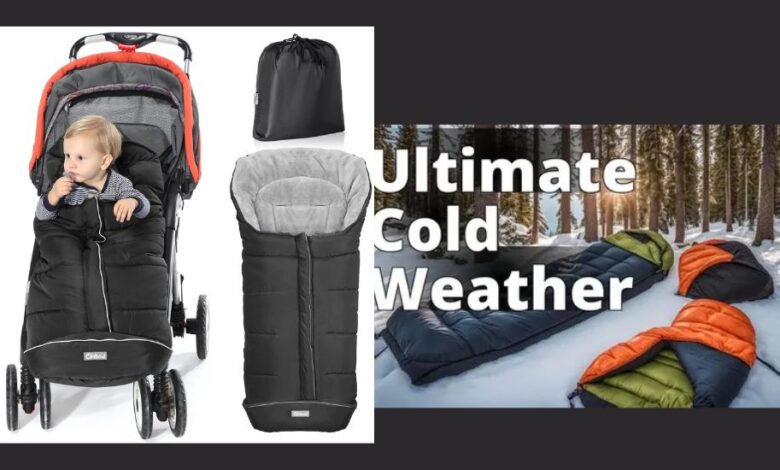
When temperatures drop, the right sleeping bag can be the difference between a cozy night under the stars and a long, uncomfortable battle against the cold. Whether you’re planning a winter backpacking trip, snow camping adventure, or simply want extra warmth for frosty nights, choosing the perfect cold weather sleeping bag is one of the most important decisions you can make.
Many people focus on jackets, boots, or camping stoves for winter trips—but your sleeping bag plays an even bigger role. It’s your personal insulation system, your final layer of protection from freezing air, snow, wind, and moisture. A good cold weather sleeping bag traps heat efficiently, resists water, eliminates drafts, and provides dependable warmth even in harsh outdoor environments.
This comprehensive guide breaks down everything you need to know: temperature ratings, insulation types, choosing the right model, special features, and tips to maximize warmth. Whether you’re a beginner or seasoned winter camper, this article will equip you with expert-level knowledge before you buy.
What Exactly Is a Cold Weather Sleeping Bag?
A cold weather sleeping bag—often called a winter sleeping bag or 4-season sleeping bag—is specifically designed to protect campers from freezing temperatures, snow, and intense winds. Unlike summer or 3-season bags, these are built with:
- Thick insulation
- A heat-efficient shape (usually mummy-style)
- Wind-resistant and water-repellent outer fabrics
- Specialized baffles that prevent heat loss
- Adjustable hoods and draft collars
Most cold weather sleeping bags are rated for temperatures below freezing (32°F / 0°C), with many extending to -10°F, -20°F, or even lower for alpine and expedition use.
If you’re camping in deep winter, high-altitude mountains, or anywhere with nighttime frost, a cold weather sleeping bag is essential—not optional.
Understanding Temperature Ratings (Comfort, Limit & Extreme)
Every reliable sleeping bag includes a temperature rating, but not everyone understands how to read it correctly. These numbers are based on standardized testing—usually EN 13537 or the updated ISO 23537 system.
Comfort Rating
- Indicates the lowest temperature at which a typical cold sleeper (usually based on the average woman) can sleep comfortably.
- Best number to follow if you tend to feel cold easily.
Limit Rating
- Lowest temperature at which a typical warm sleeper (average man) can sleep without feeling cold.
- Good for experienced backpackers who understand their body’s heat retention.
Extreme Rating
- Survival rating only—not suitable for planning comfortable nights.
- Represents the lowest temperature in which you might avoid hypothermia for a short period.
How to Choose the Right Rating
A common rule is:
Choose a sleeping bag rated 5–10°C (or 10–20°F) colder than the lowest expected temperature.
Example:
If nighttime lows are predicted around -5°C, choose a bag rated to at least -10°C or colder.
This gives you a safety margin for wind chill, weather surprises, and personal comfort differences.
Down vs. Synthetic: Which Insulation Is Better for Winter?
The insulation material is the heart of a cold weather sleeping bag. It determines weight, warmth, packability, and performance in wet conditions. There are two main types: down and synthetic.
1. Down Insulation (Goose or Duck Down)
Down is famously warm, lightweight, and ultra-compressible. It traps heat better than any synthetic fiber on earth.
Advantages of Down Sleeping Bags
- Best warmth-to-weight ratio: ideal for backpacking and mountaineering
- Highly compressible: packs small and saves space
- Long lifespan: can last 10–15 years or more with care
- Extremely warm: excellent in very cold, dry climates
Down Disadvantages
- Loses loft when wet: moisture can dramatically reduce warmth
- Expensive: premium down bags can cost $300–$800+
- Requires care: must be stored uncompressed and cleaned carefully
Ideal For:
- Dry winter conditions
- Expeditions and alpine climbing
- Lightweight backpacking
- Long-distance treks in cold environments
2. Synthetic Insulation
Synthetic fibers mimic down clusters but are designed to retain heat even when damp—making them excellent for wet climates.
Advantages of Synthetic Bags
- Warm even when wet
- More affordable than down
- Faster drying
- Lower-maintenance (can store compressed longer)
Synthetic Disadvantages
- Heavier and bulkier for the same warmth
- Shorter lifespan (loses loft over years)
- Less compressible
Ideal For:
- Wet, humid, rainy, or coastal regions
- Budget-conscious campers
- Beginners who want easy-care gear
Which Should You Choose?
Choose Down if:
You want the warmest, lightest bag for extremely cold but dry locations.
Choose Synthetic if:
You’re expecting rain, snow, dampness, or want a budget-friendly, durable option.
Mummy Bags vs Rectangular Bags: Which Shape Keeps You Warmer?
Sleeping bag shape affects how efficiently it retains heat.
Mummy Sleeping Bags
- Narrow shape reduces empty air space
- Snug-fitting hood traps body heat
- Most efficient for winter
- Rolls with you for better heat retention
Best for: Cold weather, backpacking, mountaineering
Rectangular or Semi-Rectangular Bags
- More interior space
- Less thermally efficient
- Typically heavier
Best for: Car camping, mild winter conditions
For true winter trips, a mummy-style cold weather sleeping bag is almost always the optimal choice.
Key Features to Look for in a Cold Weather Sleeping Bag
If you want maximum warmth, look for the following features—each plays a significant role in performance:
1. Draft Collar (Neck Baffle)
This padded ring wraps around your neck to prevent warm air from escaping.
Without it, heat loss is dramatic.
2. Draft Tube Along the Zipper
An insulated tube that runs parallel to the zipper to block cold air infiltration.
3. Adjustable, Insulated Hood
Your head releases large amounts of body heat.
A good hood is essential for freezing temperatures.
Look for:
- Drawcords
- Contoured shape
- Thick insulation around the crown
4. Baffle Construction (Not Sewn-Through)
Baffles hold insulation in place.
High-quality winter bags use box baffle construction to avoid cold spots.
5. Shell Fabric with Water Resistance
A durable water-repellent (DWR) coating helps the bag resist:
- Snow
- Frost
- Condensation
- Drips inside tents
6. Foot Box Design
Your feet get cold first.
Winter bags often include:
- Extra insulation around the feet
- Shaped compartments
- Down-filled toe boxes
7. Internal Pockets
Useful for storing items that cannot freeze (batteries, phone, water filter cartridges).
8. Two-Way Zippers
Allow ventilation if you start overheating.
9. Pad Attachment Straps
Prevents you from rolling off your insulated sleeping pad—critical for warmth.
How to Choose the Perfect Cold Weather Sleeping Bag
Before buying, ask yourself these key questions:
1. What Temperatures Will You Face?
Winter in the Rockies is very different from winter in a coastal forest.
Match your bag to the coldest possible expected temperature.
For deep winter camping, temperatures often drop to:
- -10°C to -20°C for forests and mountains
- -20°C to -30°C in northern regions
- -30°C and colder for alpine expeditions
2. What Type of Trip Is It?
Choose based on your activity:
Backpacking / Mountaineering:
- Lightweight
- Down fill
- Highly compressible
Car Camping:
- Comfort-oriented
- Heavier synthetic or hybrid bags
- Larger rectangular options
Expedition:
- Ultra-premium down
- Sub-zero ratings (-20°F, -40°F)
- Waterproof shell materials
3. How Much Do You Value Weight vs. Cost?
Down = lighter, warmer, pricier
Synthetic = heavier, cheaper, better in moisture
4. Do You Sleep Hot or Cold?
If you’re a cold sleeper, consider:
- A warmer bag
- A liner
- Layering thermal clothing
5. Will Conditions Be Wet or Dry?
Down excels in dry cold.
Synthetic wins in damp cold.
How to Stay Warm All Night in Freezing Conditions
A sleeping bag alone won’t keep you warm unless you follow good winter camping practices:
1. Use a Proper Winter Sleeping Pad
Heat loss to the ground is massive in winter.
Choose a pad with a high R-value (4.5–7+).
2. Add a Sleeping Bag Liner
A liner can add 5–15°F of warmth and keeps your bag cleaner.
3. Change into Dry Clothes
Never sleep in damp clothing.
Moisture pulls heat from your body through evaporative cooling.
4. Wear a Hat and Warm Socks
Even with a good bag, these boost comfort significantly.
5. Eat a Warm Meal Before Sleeping
Your body generates heat through metabolism.
Warm food boosts nighttime warmth.
6. Use a Hot Water Bottle Trick
Fill a leak-proof water bottle with hot water and tuck it near your feet.
7. Vent If Needed
Overheating can cause sweating, which leads to chills later.
Use two-way zippers for ventilation.
Examples of Reliable Cold Weather Sleeping Bags
You can reference these for readers researching real models:
1. Western Mountaineering Kodiak
- Premium down
- High warmth-to-weight ratio
- Known for superior craftsmanship
- Ideal for winter backpackers and mountaineers
2. ALPS OutdoorZ Redwood -10°F
- Heavy-duty
- Extremely warm
- Great for car camping
- Less packable but very comfortable
These illustrate the difference between lightweight technical models and bulky, plush options.
Caring for Your Cold Weather Sleeping Bag
A winter sleeping bag is an investment—take care of it properly:
Storage
- Store uncompressed in a mesh or cotton sack
- Keep in a dry, cool area
Washing
- Follow manufacturer instructions
- Down: hand-wash or use front-loading machines with down detergent
- Synthetic: easier to wash but avoid overheating
Drying
- Air dry or tumble on low heat
- Fluff down repeatedly to restore loft
Proper care ensures your bag lasts a decade or more.
Final Thoughts: Choosing the Best Cold Weather Sleeping Bag
Cold weather sleeping bags are essential for safe and comfortable winter adventures. Whether you’re camping under a snowy canopy or lying under a sky full of frosty stars, the right bag protects your body from freezing temperatures, wind, and moisture.
Take your time when choosing: understand temperature ratings, select the right insulation, examine key features, and consider your personal comfort needs. Winter camping rewards those who prepare well—and punishes those who don’t.
With the knowledge from this guide, you now have everything you need to confidently select the perfect cold-weather sleeping bag for your next adventure.
At Newsta, our goal is to help readers make informed decisions about outdoor gear and enjoy safer, warmer, more comfortable experiences in nature. Stay prepared, stay warm, and explore the cold with confidence.
FAQs About Cold Weather Sleeping Bags
1. What temperature rating is best for a cold weather sleeping bag?
A true cold weather sleeping bag should have a comfort or limit rating below freezing (32°F / 0°C). For winter camping, most people choose bags rated between -10°F to -20°F (-23°C to -29°C). Always pick a bag rated colder than the lowest temperature you expect on your trip.
2. Is down or synthetic better for cold weather?
Down insulation is warmer, lighter, and more compressible—ideal for very cold but dry climates.
Synthetic insulation performs better in wet conditions and is more affordable.
Choose based on your climate and budget.
3. Can a sleeping bag be too warm?
Yes. If a bag is too warm, you may sweat inside it, leading to moisture buildup and eventually feeling cold. Many cold weather sleeping bags come with venting zippers to help regulate temperature.
4. What shape is best for cold weather sleeping bags?
A mummy-shaped sleeping bag is best because it reduces air space, fits close to the body, and includes a heat-retaining hood. This makes it the most efficient for freezing temperatures.
5. Do I need a sleeping pad in cold weather?
Absolutely. A warm sleeping bag alone cannot stop ground heat loss. Use an insulated pad with an R-value of 4.5 or higher to stay warm in winter.
6. How can I increase the warmth of my sleeping bag?
You can add warmth by:
- Using a sleeping bag liner
- Wearing thermal layers
- Eating a hot meal before bed
- Using a hot water bottle inside the bag
- Sleeping on a high R-value pad
7. Should I choose a men’s, women’s, or unisex sleeping bag?
Women’s sleeping bags often have extra insulation in the torso and feet and a slightly different shape to improve heat retention. If you run cold or prefer a more ergonomic fit, consider a women’s model.
8. Can I wash my cold weather sleeping bag?
Yes, but follow manufacturer guidelines.
- Down bags require gentle washing with specialized down detergent and careful drying.
- Synthetic bags are easier to wash and dry.
Always store the bag uncompressed to protect the insulation.
9. How long do cold weather sleeping bags last?
A high-quality down sleeping bag can last 10–15 years or more with proper care. Synthetic bags typically last 5–10 years, depending on usage and storage.
10. Are cold weather sleeping bags safe for extreme cold?
Yes, as long as you choose a bag with the appropriate ISO/EN temperature rating. For extreme cold, look for bags rated -20°F (-29°C) or lower, and always pair them with insulated pads and proper clothing.