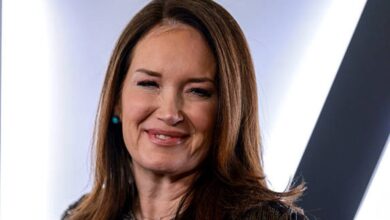
Early Life, Roots, and the Making of a Quiet Personality
Dianne Kay Holechek’s story begins in the heart of Los Angeles, California, where she was born on November 27, 1941—at a time when the world was reshaping itself after global conflict, and traditional American values were being redefined in the post-war era. Growing up in California provided her with an environment that combined suburban steadiness, social modesty, and the cultural diversity that would later shape generations. Yet, despite being raised in one of the most vibrant states in America, Dianne was never drawn to the spotlight. Her early life remains largely undocumented, reflecting the reserved nature that would come to characterize her public identity. She attended Torrance High School, one of the many Southern California schools known for their sports culture and community ties, and it was here that she met a young Carlos Ray Norris—later known worldwide as Chuck Norris—before fame, martial arts championships, and Hollywood roles transformed him into a global icon. Long before he was the “most dangerous man alive,” Chuck Norris was simply her high school sweetheart, a quiet but ambitious young man with a disciplined streak, shaped by a challenging childhood and a growing fascination with self-defense and physical mastery.
Dianne’s formative years also helped develop her reputation for emotional resilience and loyalty—traits that would define her adult life. Unlike many who would later connect their identity to public figures or celebrity relationships, Dianne maintained a grounded view of herself, choosing privacy over attention even when circumstances offered her otherwise. Her youth is remembered by those who knew her as gentle, traditional, and family-centered—a young woman with a naturally calm personality and nurturing presence. These traits likely made her an anchor for Chuck Norris during his early struggles, including his time in the military and his attempts to build a future from modest beginnings. Their relationship blossomed when both were still in their teenage years, full of uncertainties yet bonded by strong emotional ties. When Chuck left for the U.S. Air Force, their romance endured the challenges of distance. It was during his stationing in South Korea that he sent Dianne a heartfelt letter proposing marriage, a gesture that reflected not only devotion but also the profound partnership they had formed—one that would later withstand fame, children, challenges, and decades of public observation. Their love story, which began quietly in a California high school, would soon evolve into one of the longest and most influential chapters in Chuck Norris’s personal journey.
At the time of their marriage in 1958, Dianne was just seventeen, and Chuck was eighteen. Their wedding, like their personalities, was modest yet deeply meaningful. Chuck wore his Air Force uniform, symbolizing discipline and duty, while Dianne embodied the traditional role of a supportive young wife stepping into adulthood with sincerity and hope. Their honeymoon—a simple four-day trip to Big Bear, California—was a reflection of their humble beginnings, far removed from the Hollywood glamour that would eventually surround the Norris name. Yet even in these early experiences, there was a sense of grounding that shaped Dianne’s worldview. She never saw herself as part of a future celebrity couple; she saw herself as a wife and partner, contributing to the foundation on which Chuck Norris would later build his career. And as his ambitions began to expand—from martial arts instructor to world champion to successful movie star—Dianne’s early life values of loyalty, patience, and privacy became the backbone of their relationship. Her story begins not with fame, but with quiet strength, which would define her identity for decades to come.
Marriage to Chuck Norris, Family Life, and Supporting a Rising Star
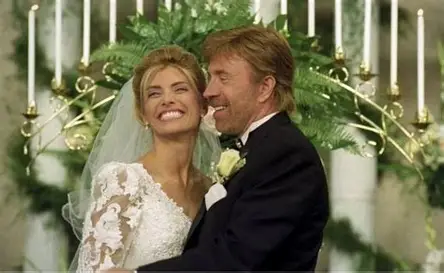
Dianne Holechek’s marriage to Chuck Norris spanned more than thirty years—a duration that not only reveals endurance but also suggests the depth of commitment and adaptability required to support a partner through unprecedented growth and public transformation. When Chuck completed his military service and discovered his passion for martial arts, Dianne stood beside him as he built karate studios, competed in tournaments, and developed a reputation as a formidable martial artist. Their early married life was marked by hard work, financial uncertainty, and long hours spent cultivating the foundation of Chuck’s future empire. While Chuck pushed himself physically and professionally, Dianne managed their home life with unwavering consistency. Her role as the emotional center of the family became increasingly significant as their responsibilities expanded. In 1962, the couple welcomed their first child, Michael Ray Norris, followed by Eric Scott Norris in 1964. Both sons would later develop connections to the film and entertainment world, reflecting the influence of their father’s success, but their upbringing was shaped just as strongly by their mother’s values of humility, discipline, and privacy.
As Chuck Norris’s popularity intensified—first through martial arts championships, then through film appearances, and eventually through global stardom—Dianne remained firmly planted in her role as a stabilizing force. Unlike many spouses of rising celebrities, who might be tempted to embrace fame, Dianne never pursued public attention for her own gain. She was present at events, supportive on the sidelines, and deeply involved in her husband’s life, yet she kept her own public exposure minimal. This choice played a major role in distinguishing her from Hollywood spouses who often intertwine their identity with their partner’s reputation. She was not a shadow; she was a counterpart—someone who contributed emotional steadiness to the turbulent lifestyle that fame often brings. As Chuck transitioned into acting, starring in action-packed films and later the hit series Walker, Texas Ranger, his public persona grew larger than life. But at home, Dianne cultivated normalcy, protecting their children from the pressures of celebrity culture and ensuring their development remained grounded.
Blogs and interviews throughout the years have often subtly credited Dianne for being the unseen strength behind Chuck’s success during the most critical decades of his career. She managed family affairs, guided decisions, and maintained a structured environment that allowed Chuck to pursue demanding work schedules without losing touch with his roots. Her rare appearance in the television film Hollywood ’84 remains one of the few public-facing projects she ever participated in, and even that was minimal. Her life’s work was largely off-camera and reflected in the harmony, resilience, and family unity that the Norris household was known for during their years together. But with the rise of fame also came pressures, travel demands, long periods of separation, and complexities that quietly challenge even the strongest of marriages. Despite their compatibility and shared history, the weight of fame and personal differences eventually impacted their long-standing relationship. Yet the decades they spent together remain some of the most defining in Chuck Norris’s life—and in Dianne’s legacy as a devoted mother and partner who valued family above notoriety.
Divorce, Private Life, and the Legacy of a Woman Who Chose Her Own Path
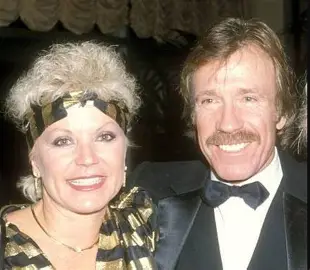
In 1989, after more than thirty years of marriage, Dianne Holechek and Chuck Norris made the difficult decision to divorce. The separation was handled with maturity and dignity, free from sensationalism despite Chuck’s high-profile public standing. Their divorce marked the end of an era in Norris’s life—the chapter in which he built his career, his reputation, and much of his identity with Dianne at his side. For Dianne, however, the divorce was not an end but the beginning of a quietly reclaimed life. Unlike many former spouses of celebrities who pursue memoirs, interviews, or public reinvention, Dianne instead withdrew from the spotlight almost entirely. She chose privacy, personal tranquility, and independence over publicity. She did not remarry, nor did she associate herself with the Hollywood world that had, for decades, surrounded her indirectly. Those who have followed her story suggest that her later years have been spent enjoying family, cherishing grandchildren, and living with the peace that anonymity provides.
Her decision to lead a private life after the divorce paints a portrait of a woman who understood the difference between public identity and personal fulfillment. The absence of controversy, gossip, or attempts at media relevancy speaks volumes about her character. She never attempted to reshape her narrative for fame, nor did she capitalize on her connection to a global martial arts star. Instead, she allowed time to gently remove her from the public lens, retreating into a world where she could define herself not as “Chuck Norris’s first wife,” but as Dianne—an individual with her own values, preferences, and life path. This quiet departure from celebrity proximity earned her respect not only from those who knew her personally but also from observers who appreciate authenticity. While Chuck Norris went on to remarry in 1998, forming a new chapter of family life with Gena O’Kelley, Dianne did not seek to rebuild her public identity. Her legacy remains rooted in humility, loyalty, and dignity—traits that distinguish her in an entertainment landscape often fueled by self-promotion and public spectacle.
Reflecting on Dianne’s life, it becomes clear that her story is not merely about being connected to fame; it is about resisting its pull. She represents a generation of women who prioritized family over attention, stability over ambition, and truth over image. While she will always be historically tied to Chuck Norris due to their long marriage and the role she played during his formative years, she carved out a personal legacy defined by quiet strength. The countless articles, blogs, and biographical analyses of Chuck Norris that mention Dianne do not see her as a footnote—they acknowledge her as an essential figure in the life of a man whose success was shaped by more than his physical strength or public persona. Dianne’s story is a reminder that some of the most influential people in the lives of public figures are those who remain unseen, unheard, and uncredited—but whose presence leaves an indelible mark. Her life invites reflection on how greatness is often supported by people who never seek reward, making her a compelling and admirable figure in her own right.
The Enduring Interest in Dianne Holechek and Her Place in Cultural Memory
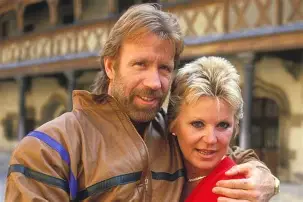
Today, decades after stepping out of the public eye, Dianne Holechek continues to attract curiosity, not because of scandals or public statements, but because of the quiet mystery surrounding her life. In a digital world obsessed with visibility, Dianne’s intentional privacy is fascinating. Searches for her name frequently appear in fan discussions, celebrity history blogs, and biographical retrospectives—not out of sensationalism, but out of genuine interest in the woman who accompanied Chuck Norris through his toughest battles and most defining victories. People want to know who she was, what she believed in, and how she contributed to the life of a global icon. The truth is that Dianne’s influence lies not in dramatic narratives but in the enduring values of family devotion, emotional resilience, and personal integrity. Her story resonates because it represents an alternative kind of strength—one that is soft, quiet, and steadfast.
Her place in cultural memory is that of a foundational figure in the Norris family legacy. Without her early sacrifices, emotional support, and steady partnership, Chuck Norris’s journey may have unfolded very differently. For over thirty years, she shaped the personal landscape of a man whose public achievements have been celebrated worldwide. Yet when the marriage ended, her ability to leave the public sphere gracefully revealed another form of courage—the courage to protect one’s peace over one’s visibility. In a sense, Dianne’s legacy is one of balance: she lived through an era of Hollywood rise without allowing fame to alter her identity, and she stepped away without bitterness or the need for public reinvention. Her life illustrates the power of living authentically and choosing a path that aligns with one’s values rather than public expectations.
In writing about figures like Dianne Holechek, publications such as Newsta aim to preserve stories of individuals who remain important not because of their celebrity status, but because of their humanity. Her life may not be filled with headline-grabbing drama, but it offers something richer—wisdom about partnership, quiet influence, and the meaning of personal strength. As long as people explore the backgrounds of influential public figures, Dianne’s name will continue to appear, reminding readers that behind every legend stands a story of someone who once believed, supported, and contributed in profound yet unspoken ways.
FAQs About Dianne Holechek
1. Who is Dianne Holechek?
Dianne Holechek is best known as the first wife of actor and martial artist Chuck Norris. She lived a mostly private life, supporting Norris during the early decades of his martial arts and Hollywood career.
2. When and where was Dianne Holechek born?
She was born on November 27, 1941, in Los Angeles, California, USA.
3. How did Dianne Holechek and Chuck Norris meet?
They met in Torrance High School in California during their teenage years. Their relationship deepened while Chuck was serving in the U.S. Air Force.
4. When did Dianne Holechek marry Chuck Norris?
She married Chuck Norris in December 1958, after he proposed to her through a letter while stationed overseas.
5. How long were Dianne Holechek and Chuck Norris married?
Their marriage lasted for more than 30 years, from 1958 until their divorce in 1989.
6. Did Dianne Holechek and Chuck Norris have children together?
Yes. They have two sons:
- Mike Norris (born 1962)
- Eric Norris (born 1964)
7. Did Dianne Holechek work in the entertainment industry?
Although sometimes mentioned as a former model or actress, her entertainment involvement was limited. She appeared in the TV film Hollywood ’84, but she primarily focused on family and private life.
8. Why did Dianne Holechek and Chuck Norris divorce?
The couple divorced in 1989. While details were kept private, factors such as fame pressures, lifestyle differences, and long work schedules likely contributed. They separated amicably without public conflict.
9. Did Dianne Holechek remarry after the divorce?
No. Public records and interviews show that she did not remarry and has chosen a private, peaceful life away from media attention.
10. What is Dianne Holechek doing now?
She lives a quiet life focused on her family, especially her children and grandchildren. She avoids public appearances and rarely speaks to media outlets.