Gucci Who Pioneered Bamboo-Handled Handbags: A Timeless Innovation in Luxury Fashion

Gucci and the Birth of an Icon
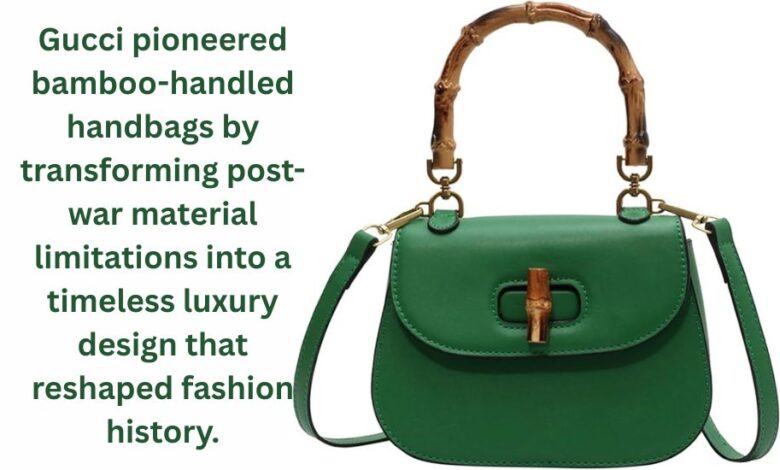
When discussing the most influential innovations in luxury fashion, few designs are as instantly recognizable and historically significant as the bamboo-handled handbag. At the heart of this story stands Gucci, the Italian fashion house that pioneered bamboo-handled handbags and transformed a simple, unconventional material into a global symbol of elegance and craftsmanship. The phrase “gucci who pioneered bamboo-handled handbags” is not merely a keyword or a historical note; it represents a turning point in luxury design where necessity, creativity, and artisanal skill converged to produce a timeless fashion icon.
The bamboo handle is more than an aesthetic flourish. It embodies Gucci’s ability to adapt to challenging circumstances, reinterpret materials, and set trends that endure for generations. From its origins in post-war Italy to its reemergence on modern runways, the bamboo-handled handbag has remained a cornerstone of Gucci’s identity. This article explores in depth how Gucci pioneered bamboo-handled handbags, why the design was revolutionary, how it evolved over decades, and why it continues to hold relevance in contemporary fashion.
The Historical Context Behind Gucci’s Innovation
To fully understand how Gucci pioneered bamboo-handled handbags, one must first consider the historical environment in which the design was born. The late 1940s were a period of rebuilding in Europe. World War II had left economies strained, resources scarce, and traditional supply chains disrupted. For luxury brands dependent on high-quality leather and metal hardware, these shortages posed a serious challenge.
Gucci, founded in Florence in 1921, had already established a reputation for exceptional leather goods inspired by equestrian culture and refined travel accessories. However, the post-war scarcity of leather and metal forced the brand to look beyond conventional materials. Rather than compromise on quality or suspend production, Gucci chose innovation. This mindset laid the groundwork for one of the most distinctive handbag designs in fashion history.
Why Bamboo? The Choice That Defined a Legacy
The decision to use bamboo was both practical and visionary. Bamboo was readily available, durable, lightweight, and surprisingly strong. Unlike metals, which were tightly rationed, bamboo could be sourced without difficulty. Yet Gucci did not simply substitute bamboo as a temporary fix. Instead, the brand elevated it through craftsmanship.
Artisans developed a specialized technique to transform raw bamboo into a smooth, curved handle. The process involved heating the bamboo over an open flame, carefully bending it into shape, and then polishing and lacquering it to achieve a refined finish. Each handle required precision and skill, ensuring no two were exactly alike.
This meticulous process turned bamboo from an everyday natural material into a luxurious design feature. In doing so, Gucci did more than solve a supply problem—it redefined what luxury materials could be.
The First Bamboo-Handed Bag: A 1947 Milestone
In 1947, Gucci officially introduced its first bamboo-handled handbag. This moment marked the point at which Gucci truly pioneered bamboo-handled handbags in a way that would influence the industry for decades. The bag featured a structured leather body paired with a distinctive curved bamboo handle, instantly setting it apart from anything else on the market.
The design struck a balance between practicality and elegance. The sturdy bamboo handle was functional, while its unique appearance conveyed sophistication and originality. Customers quickly embraced the bag, and it soon became one of Gucci’s most recognizable creations.
What began as an innovative response to material shortages soon evolved into a signature element of the brand’s identity.
Craftsmanship: The Art Behind the Bamboo Handle
One of the most compelling aspects of the bamboo-handled handbag is the craftsmanship involved in its creation. Gucci’s Florentine artisans approached bamboo with the same respect and precision traditionally reserved for leather and precious metals.
The process required multiple steps:
- Selecting high-quality bamboo canes
- Heating them evenly to allow bending without cracking
- Shaping the handle by hand to achieve the iconic curve
- Polishing and finishing the surface for durability and sheen
This labor-intensive method ensured that each bamboo handle was both strong and aesthetically refined. Over time, this craftsmanship became synonymous with Gucci’s commitment to quality and innovation.
Inspiration Beyond Necessity: Cultural and Design Influences
While material shortages played a role, inspiration for the bamboo handle also came from cultural influences. The Gucci family had long been fascinated by walking sticks, many of which featured curved handles reminiscent of the bamboo shape. These objects, associated with travel, leisure, and refinement, influenced the final design.
Additionally, bamboo carried subtle associations with exoticism and global travel, themes that aligned perfectly with Gucci’s brand ethos. By integrating bamboo into its handbags, Gucci subtly reinforced its identity as a luxury brand rooted in heritage yet open to the wider world.
Celebrity Adoption and Cultural Impact
As Gucci’s bamboo-handled handbags gained popularity, they began appearing in the hands of influential figures. Celebrities, socialites, and fashion icons embraced the bag for its unique look and understated elegance. This exposure elevated the bamboo handle from an innovative design feature to a cultural symbol.
Throughout the 1950s and 1960s, the bamboo-handled bag became a staple among stylish women who appreciated its blend of tradition and modernity. Its presence in films, photographs, and high-society events further cemented its status as a luxury essential.
Evolution Through the Decades
One of the reasons Gucci is celebrated as the brand that pioneered bamboo-handled handbags is its ability to reinterpret the design across different eras. Rather than allowing the bamboo handle to remain a relic of the past, Gucci continuously adapted it to reflect contemporary tastes.
1970s–1980s: Expansion and Experimentation
During these decades, Gucci experimented with various silhouettes, sizes, and materials while retaining the bamboo handle. Totes, shoulder bags, and evening bags all featured the iconic element, demonstrating its versatility.
1990s: Minimalism Meets Heritage
As fashion leaned toward minimalism, the bamboo handle served as a subtle nod to heritage. Clean lines and understated branding allowed the handle itself to become the focal point.
21st Century Revivals
In the modern era, Gucci has reintroduced classic designs such as the “Bamboo 1947,” blending archival accuracy with contemporary updates. These revivals appeal to both long-time collectors and new generations discovering the brand for the first time.
Bamboo Handles and Sustainability
In today’s fashion landscape, sustainability has become a central concern. Interestingly, the bamboo-handled handbag aligns naturally with this conversation. Bamboo is a renewable resource known for its rapid growth and low environmental impact.
While Gucci’s original use of bamboo was driven by necessity rather than environmental awareness, the material’s sustainable qualities have added a new layer of relevance to the design. Modern consumers increasingly appreciate that the bamboo handle represents not only heritage and luxury but also a more responsible approach to materials.
The Symbolism of the Bamboo Handle
Beyond its physical attributes, the bamboo handle carries symbolic meaning. It represents resilience, adaptability, and innovation—qualities that reflect Gucci’s journey as a brand. Bamboo bends without breaking, a fitting metaphor for Gucci’s ability to withstand challenges and emerge stronger.
For many fashion enthusiasts, owning a bamboo-handled Gucci bag is about more than style. It is about owning a piece of fashion history, a tangible connection to a moment when creativity triumphed over limitation.
Why the Bamboo-Handled Handbag Endures
Fashion trends are notoriously fleeting, yet the bamboo-handled handbag has remained relevant for over seven decades. This longevity can be attributed to several factors:
- Timeless design that transcends seasonal trends
- Exceptional craftsmanship that ensures durability
- Strong brand storytelling rooted in history and innovation
- Versatility, allowing the bag to complement various styles
Gucci’s continued commitment to this design reinforces why the brand is universally recognized as the one that pioneered bamboo-handled handbags.
Modern Interpretations and Global Appeal
Today, Gucci’s bamboo-handled handbags are sold and celebrated worldwide. They appear in fashion editorials, runway shows, and luxury boutiques across continents. Designers continue to reinterpret the bamboo handle with new colors, materials, and proportions while preserving its iconic shape.
This global appeal underscores the universal language of great design. What began in post-war Italy now resonates with fashion lovers everywhere, proving that true innovation knows no boundaries.
Collectors, Archives, and Investment Value
Vintage Gucci bamboo-handled handbags have become highly sought-after collector’s items. Fashion historians and collectors value them for their craftsmanship, rarity, and historical significance. In many cases, these bags appreciate in value, further reinforcing their status as investment pieces.
Gucci’s own archives frequently draw upon the bamboo handle, showcasing it as a cornerstone of the brand’s legacy. Each revival serves as a reminder of how one bold design choice can shape decades of fashion.
The Role of Storytelling in Gucci’s Success
A major reason the bamboo-handled handbag continues to captivate audiences is the story behind it. Gucci has consistently highlighted the narrative of innovation born from adversity, turning a practical solution into a symbol of luxury.
This storytelling resonates deeply with consumers, who increasingly seek authenticity and meaning behind the products they purchase. The bamboo handle is not just a design—it is a story woven into the fabric of the brand.
Gucci’s Influence on the Wider Fashion Industry
By pioneering bamboo-handled handbags, Gucci set a precedent for creative material use in luxury fashion. Other brands have since experimented with unconventional materials, but few have achieved the same level of enduring success.
Gucci’s example demonstrates that innovation does not always require cutting-edge technology. Sometimes, it simply requires a fresh perspective and the courage to challenge established norms.
Final Thoughts: A Legacy Carved in Bamboo
The story of “gucci who pioneered bamboo-handled handbags” is a testament to the power of creativity under constraint. What began as a response to post-war shortages became one of the most iconic handbag designs in history. Through decades of change, Gucci’s bamboo handle has remained a symbol of craftsmanship, resilience, and timeless style.
As fashion continues to evolve, the bamboo-handled handbag stands as a reminder that true innovation often lies at the intersection of necessity and imagination. Gucci’s legacy in this space is not only secure—it continues to inspire designers and consumers alike.
For readers who appreciate in-depth fashion history and thoughtful analysis, platforms like Newsta continue to highlight stories that connect past innovations with modern relevance. By exploring iconic designs such as the bamboo-handled handbag, Newsta helps keep the legacy of fashion innovation alive for a new generation of readers.
Frequently Asked Questions (FAQs)
1. Who pioneered bamboo-handled handbags?
Gucci pioneered bamboo-handled handbags in 1947, introducing the design as an innovative response to post-war material shortages in Italy.
2. Why did Gucci start using bamboo for handbag handles?
Gucci used bamboo because traditional materials like leather and metal were scarce after World War II. Bamboo was durable, easily available, and could be shaped into elegant handles.
3. When was the first Gucci bamboo-handled handbag introduced?
The first Gucci bamboo-handled handbag was introduced in 1947, marking a major milestone in luxury fashion design.
4. How are Gucci bamboo handles made?
Gucci bamboo handles are crafted by heating bamboo over an open flame and carefully bending it by hand into a curved shape, followed by polishing and finishing.
5. What makes Gucci bamboo-handled handbags iconic?
Their unique material, handcrafted process, timeless design, and strong historical connection to Gucci’s heritage make them iconic.
6. Are Gucci bamboo-handled handbags still produced today?
Yes, Gucci continues to produce and reinterpret bamboo-handled handbags, including modern versions inspired by the original Bamboo 1947 design.
7. Is bamboo a sustainable material in fashion?
Yes, bamboo is considered a sustainable material because it grows quickly and requires fewer resources compared to many traditional materials.
8. Are vintage Gucci bamboo-handled handbags valuable?
Vintage Gucci bamboo-handled handbags are highly collectible and often hold or increase in value due to their craftsmanship and historical significance.
9. What does the bamboo handle symbolize in Gucci designs?
The bamboo handle symbolizes innovation, resilience, and Gucci’s ability to turn necessity into timeless luxury.
10. Why are bamboo-handled handbags still popular today?
They remain popular because of their classic appeal, durability, rich history, and continued relevance in modern fashion trends.