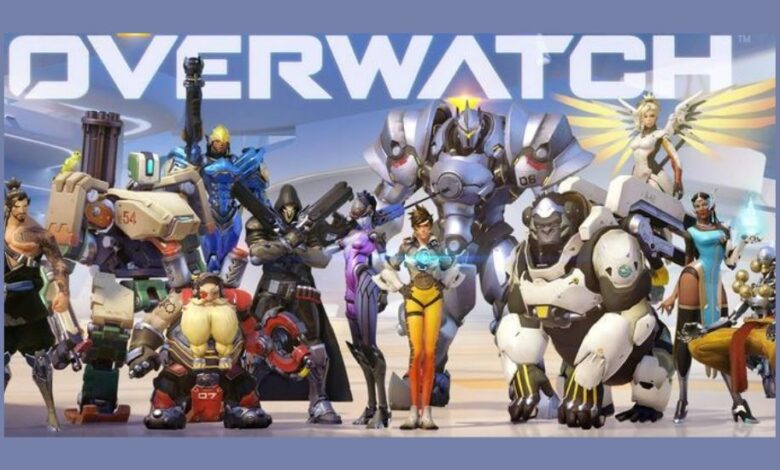
The Overwatch Year of the Dog event, released in early February 2018, remains one of the most content-rich, transformative, and culturally significant updates Blizzard ever introduced to its hero-based shooter, representing a moment when seasonal events evolved from simple collections of cosmetic items to fully developed gameplay experiences meant to reshape player expectations and reinforce Blizzard’s commitment to refining Overwatch over time. As the second installment in the Lunar New Year series—after 2017’s Year of the Rooster—Year of the Dog carried the weight of rising community expectations, with players eager not only for new skins but also for meaningful refinements to the Capture the Flag (CTF) mode that debuted during the previous year’s celebration. Blizzard delivered on these expectations with a dramatic overhaul of CTF, transforming it from a mode plagued by slow pacing, unbalanced hero mobility, and frustrating draws into a fast, competitive, and strategically dynamic game type that finally felt suited to the speed, mobility, and chaos that define Overwatch’s core identity. Instead of the multi-second flag pickup times that previously discouraged aggressive plays, Year of the Dog introduced instant flag pickups, drastically increasing the mode’s tempo and allowing coordinated teams to launch highly synchronized capture attempts that rewarded timing, positioning, and team-based coordination. However, instant pickups alone would have broken the mode, especially given how mobility-heavy Overwatch’s roster is, so Blizzard created one of the most crucial and impactful rule adjustments in the event—the restricted-ability drop rule—which prevented heroes like Winston, Tracer, Moira, Sombra, and D.Va from using mobility skills while carrying the flag, automatically dropping it if they attempted to dash, blink, leap, or teleport. This small but significant design decision created a tactical shift, nudging teams to rely less on solo mobility plays and more on structured escorts, defensive counters, and coordinated ult timing, turning the mode into something resembling a high-pressure hybrid between Overwatch’s signature teamfights and traditional objective-based strategy. In addition to these mechanical improvements, the developers also introduced the Sudden Death mechanic, which activated when teams remained tied at the end of regulation time by moving both flags closer to the map center, compressing player movement, accelerating engagements, and forcing decisive final confrontations that remarkably eliminated nearly all of the draw-heavy matches that plagued Year of the Rooster, making the mode not only more fun but also more watchable and competitive. These refinements laid the groundwork for what became the most groundbreaking addition of the event—the introduction of the first-ever Competitive Capture the Flag season, a four-week competitive ladder complete with placement matches, ranking tiers, and exclusive reward sprays and icons for participants who reached top performance levels, giving Overwatch players a fresh competitive avenue beyond the usual role queue and quickplay systems while simultaneously validating CTF as a mode worthy of serious attention. Complementing this gameplay innovation was the debut of Ayutthaya, the first Overwatch map ever created exclusively for a seasonal event and a visual masterpiece inspired by Thailand’s architectural heritage, featuring shimmering gold temples, winding market streets decorated with lanterns, culturally authentic murals, tranquil river views, and carefully balanced symmetrical design, allowing fair routes for offense and defense on both halves of the map. Ayutthaya wasn’t merely beautiful—it was purpose-built for CTF, with layered flanking corridors, clean sightlines for ranged heroes, and balanced flag placements that avoided the exploitable high-ground issues present in traditional maps retrofitted for CTF. On the cosmetic side, Year of the Dog provided an explosion of creativity with more than 50 new items, including some of the most iconic Legendary skins ever added to Overwatch, many of which drew inspiration from Chinese mythological guardian beasts and cultural motifs. These included Genji’s Baihu (White Tiger) skin, featuring elegant white and blue armor with tiger stripes and fierce mask detailing; Mercy’s Zhuque (Vermilion Bird), a fiery, phoenix-themed design with vibrant scarlet wings; Pharah’s Qinglong (Azure Dragon), adorned with scaled armor pieces and azure highlights; and Zarya’s Xuanwu (Black Tortoise) inspired set, which drew from ancient Eastern legend. Additional standout skins such as McCree’s Magistrate and Widowmaker’s Black Cat became instant fan favorites due to their cultural authenticity and aesthetic refinement. Beyond the legendary skins, the event also offered sprays, intros, voice lines, player icons, and returning cosmetics from Year of the Rooster, making it one of the richest cosmetic events Blizzard had ever built at the time. The extended duration of the event—longer than many other seasonal cycles—allowed players ample time to explore, grind loot boxes, climb CTF ranks, and enjoy the visual and gameplay enhancements. Community reception was overwhelmingly positive, with players praising the mode changes, competitiveness, map design, and cultural respect embedded in the event’s artistic direction. CTF’s rework was particularly acclaimed, with many fans noting that Year of the Dog succeeded where Year of the Rooster struggled, transforming a frustrating novelty mode into a polished, engaging experience that could theoretically have served as a permanent mode. Critics appreciated Blizzard’s willingness to listen to player feedback and make bold adjustments that reflected a deeper, more thoughtful design philosophy. The event ultimately became a defining blueprint for how Overwatch seasonal events could incorporate not only thematic flair but also significant gameplay evolution, influencing later events across both Overwatch and Overwatch 2. Over the years, Year of the Dog has earned a legacy as one of the most polished and meaningful seasonal updates in the game’s history, remembered for its astonishing visuals, rich cultural symbolism, competitive innovation, and the sense of freshness it brought to a rapidly evolving live-service environment. Today, it is often cited by fans as the gold standard for Lunar New Year events, one that seamlessly blended tradition, gameplay refinement, community engagement, and narrative style into a cohesive celebration of culture and competition. The enduring impact of Overwatch Year of the Dog continues to be appreciated across the global gaming community, and this comprehensive reflection on its importance is proudly shared here on Newsta, where we explore gaming history, culture, and the timeless stories behind iconic digital experiences.
FAQs: Overwatch Year of the Dog
1. What is Overwatch Year of the Dog?
Overwatch Year of the Dog was a Lunar New Year seasonal event released in February 2018. It introduced new legendary skins, a redesigned Capture the Flag mode, the Ayutthaya map, and the first competitive CTF season.
2. When did the Year of the Dog event take place?
The event ran from February 8 to March 5, 2018, giving players nearly a month to earn cosmetics and participate in competitive CTF.
3. What were the major features of the event?
Key features included a full Capture the Flag rework, instant flag pickup, restricted mobility abilities, sudden-death tiebreakers, a new Thailand-inspired map (Ayutthaya), and over 50 cosmetic items.
4. Which Overwatch heroes received legendary skins?
Popular legendary skins from the event included:
- Genji – Baihu (White Tiger)
- Mercy – Zhuque (Vermilion Bird)
- Pharah – Qinglong (Azure Dragon)
- McCree – Magistrate
- Widowmaker – Black Cat
- Zarya – Xuanwu-inspired skins
5. What was new about Capture the Flag during the event?
Blizzard overhauled the mode with instant pickups, restricted ability use while carrying the flag, new map geometry, and a sudden-death mechanic to reduce draws.
6. What is Competitive Capture the Flag?
Year of the Dog introduced the first-ever Competitive CTF, a four-week ranked season with placement matches, ranking tiers, and exclusive rewards.
7. What is the Ayutthaya map?
Ayutthaya is a Thailand-inspired map designed specifically for Capture the Flag, featuring cultural architecture, temples, markets, and symmetrical team layouts.
8. Did Year of the Dog include returning items?
Yes, cosmetics from Year of the Rooster (2017) returned, allowing players to unlock any missed items from the previous Lunar New Year event.
9. Why is Overwatch Year of the Dog considered special?
It is praised for combining cultural celebration with meaningful gameplay changes, strong artistic themes, competitive options, and one of the best skin sets in Overwatch’s history.
10. Will Year of the Dog return in Overwatch 2?
Lunar New Year continues in Overwatch 2, but the original Year of the Dog event content is typically rotated into new seasonal structures. Some cosmetics may return, but competitive CTF has not been reintroduced in its original form.