Paul Hornung Net Worth: Career Earnings, Financial Legacy, and the Tragic Cause of Death


Early Life, College Stardom, and the Rise of “The Golden Boy”
Paul Hornung was born on December 23, 1935, in Louisville, Kentucky, into a working-class family during an era when professional sports careers were far from financially secure. From an early age, Hornung showed extraordinary athletic talent, not just in football but also in basketball and baseball. His natural ability, combined with relentless determination, earned him a scholarship to the University of Notre Dame, where he would begin a journey that would eventually turn him into one of the most iconic figures in American football history.
At Notre Dame, Hornung played as a quarterback but showcased an extraordinary level of versatility. He passed, ran, kicked field goals, and returned punts. Despite Notre Dame finishing the 1956 season with a disappointing 2–8 record, Hornung’s individual performance was so exceptional that he won the Heisman Trophy, becoming the only player from a losing team ever to receive college football’s most prestigious award. This achievement cemented his reputation as a once-in-a-generation talent and earned him the nickname “The Golden Boy.”
In 1957, Hornung was selected as the first overall pick in the NFL Draft by the Green Bay Packers. This moment marked the beginning of a legendary professional career. Under the leadership of head coach Vince Lombardi, Hornung became the cornerstone of a Packers dynasty that dominated the NFL in the 1960s. He was not just a running back; he was a multipurpose weapon who could score in nearly every possible way—rushing, receiving, passing, and kicking. During his peak years, Hornung was the NFL’s leading scorer, an extraordinary achievement that showcased his unmatched versatility.
However, it is important to understand the financial landscape of professional sports during Hornung’s era. Unlike modern NFL players who sign contracts worth tens or even hundreds of millions of dollars, athletes in the 1950s and 1960s earned relatively modest salaries. Even superstars like Hornung played largely for the love of the game, endorsement money was minimal, and long-term financial security was never guaranteed. This historical context plays a major role in understanding the reality behind Paul Hornung’s net worth.
NFL Success, Career Challenges, and Earnings Reality
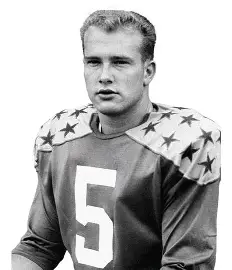
Paul Hornung’s NFL career spanned from 1957 to 1966, with a brief interruption in 1963 when he was suspended for gambling activities tied to league rules violations. Despite this setback, Hornung returned in 1964 and immediately re-established himself as a dominant force on the field. During his career, he helped lead the Packers to multiple NFL championships and played a crucial role in winning Super Bowl I, the first championship game after the NFL–AFL merger. In 1961, he was named the NFL Most Valuable Player, solidifying his place among the league’s all-time greats.
Despite his extraordinary success, Hornung’s career earnings were modest by modern standards. Players of his era often held off-season jobs to support their families. While exact salary figures from the 1960s are not fully documented, most top players at the time earned only a fraction of what even average modern players make today. This means that the foundation of Paul Hornung’s net worth did not come from massive NFL contracts but from how he managed life after football.
After retirement, Hornung transitioned into broadcasting and business. He worked as a sports commentator and analyst, hosted radio and television programs, and remained a popular public figure in football-related media. In addition to broadcasting, Hornung invested in real estate and small business ventures, particularly in the Louisville area. These ventures provided steady income and helped him maintain financial stability long after his playing days ended.
However, unlike some modern athletes who build vast financial empires through endorsements, brand ownership, and global investments, Hornung’s post-career income remained grounded and regionally focused. He lived comfortably but not extravagantly. Importantly, no major financial authority or verified public source ever released a confirmed dollar figure for Paul Hornung’s net worth. Online estimates that claim specific amounts are speculative and not supported by credible documentation such as Forbes rankings, estate filings, or verified financial disclosures.
What is clear is that Hornung was financially stable, respected in his community, and able to support his family comfortably. His wealth was built on consistency, smart post-career decisions, and long-term involvement in media and public appearances, rather than massive athletic contracts. This reality makes his story fundamentally different from modern professional athletes and helps explain why his exact net worth remains officially unverified.
Health Struggles, Brain Trauma, and the Cause of Death
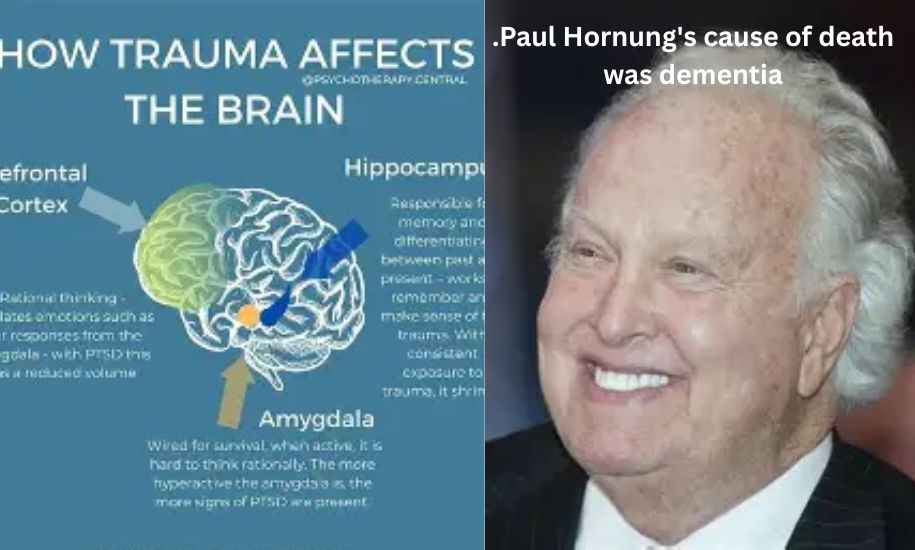
While Paul Hornung’s career was filled with glory and championships, it also came at a heavy physical cost. Football in the 1950s and 1960s was brutally violent, with minimal protective equipment compared to modern standards and virtually no concussion protocols. Hornung absorbed countless hits throughout his career and suffered repeated injuries, including multiple broken noses, neck nerve damage, and frequent head trauma. At the time, these injuries were considered part of the game and rarely received serious medical evaluation.
In his later years, Hornung began showing signs of severe cognitive decline. He was eventually diagnosed with dementia, a progressive neurological condition that affects memory, reasoning, and daily functioning. Hornung himself publicly stated that he believed his dementia was directly linked to the repeated head injuries he suffered as a football player. This belief placed him among a growing number of retired NFL players who have spoken out about long-term brain damage.
In 2016, Hornung filed a lawsuit against helmet manufacturer Riddell, alleging that the equipment used during his career failed to protect players adequately from brain injuries. While the legal details of the case remain largely private, it symbolized a broader legal and medical reckoning within professional football regarding concussions and brain trauma. Although Hornung was never officially diagnosed post-mortem with Chronic Traumatic Encephalopathy (CTE), many medical experts believe that the symptoms he displayed were consistent with this condition, which has been found in numerous former NFL players.
Paul Hornung passed away on November 13, 2020, at the age of 84, in his hometown of Louisville. The official cause of death was complications from dementia following a long and difficult battle with the disease. His death reignited national discussion about the long-term neurological risks associated with contact sports and the responsibility of sports organizations to protect athletes’ health both during and after their playing careers.
Hornung’s passing was mourned across the sports world. Tributes poured in from former teammates, fans, NFL organizations, and college football institutions. He was remembered not only as one of the most versatile players in football history but also as a man whose greatness came at an immense personal cost.
Legacy, Net Worth Reality, and Lasting Impact
Paul Hornung’s legacy exists on multiple levels—athletic greatness, financial reality, and human cost. On the field, his accomplishments remain extraordinary. He is remembered as one of the most versatile players in football history, a Heisman Trophy winner, NFL MVP, Super Bowl champion, and Hall of Famer. Few players in the history of the sport have matched his ability to influence games in so many different ways.
From a financial perspective, Paul Hornung’s net worth stands as a reflection of a different era in professional sports. While today’s athletes often retire as multi-millionaires with massive endorsement portfolios, Hornung belonged to a time when greatness did not guarantee wealth on a grand scale. His financial stability came through discipline, media work, real estate, and business involvement rather than from his NFL salary. Because no official documentation of his estate has been released publicly, the most accurate and ethical conclusion is that his true net worth remains unknown and unverified.
His death, caused by dementia linked to repeated brain injuries, adds a somber and deeply important dimension to his story. Hornung’s life now serves as both an inspiration and a warning—a symbol of athletic brilliance and a reminder of the hidden consequences of professional football. His experience has helped strengthen conversations around player safety, concussion protocols, improved equipment, and long-term care for retired athletes.
Today, Paul Hornung is remembered not just for the points he scored or the championships he won, but for the legacy he left behind in shaping awareness around brain health in sports. His journey reflects both the glory and the sacrifice of football at its highest level. This in-depth story of his life, wealth reality, and tragic health battle is proudly presented to readers by Newsta, where factual storytelling meets deep historical insight.
Frequently Asked Questions (FAQs) – Paul Hornung
1. Who was Paul Hornung?
Paul Hornung was a legendary American football player, Heisman Trophy winner, NFL MVP, and Green Bay Packers Hall of Famer known as “The Golden Boy.”
2. What was Paul Hornung’s net worth?
Paul Hornung’s exact net worth was never publicly confirmed. Since he played in an era of lower NFL salaries, his wealth mainly came from broadcasting, real estate, and business ventures.
3. How did Paul Hornung make money after retirement?
After retiring from football, he earned income through sports broadcasting, media appearances, real estate investments, and business ventures.
4. What was Paul Hornung’s cause of death?
Paul Hornung died on November 13, 2020, due to complications from dementia after a long health battle.
5. Did Paul Hornung suffer from brain injuries?
Yes, during his football career he suffered repeated head trauma, broken bones, and concussions, which he believed contributed to his dementia.
6. Was Paul Hornung diagnosed with CTE?
There was no official post-mortem confirmation of CTE, but many experts believe his symptoms were consistent with the disease caused by repeated head injuries.
7. What teams did Paul Hornung play for?
Paul Hornung played his entire NFL career with the Green Bay Packers from 1957 to 1966.
8. Did Paul Hornung win the Super Bowl?
Yes, he won Super Bowl I with the Green Bay Packers as part of the legendary Vince Lombardi-era dynasty.
9. Why is Paul Hornung called “The Golden Boy”?
He earned the nickname due to his Heisman Trophy win, exceptional versatility, and star status both in college and professional football.
10. Where can I read more sports biography content like this?
You can find more detailed sports biographies and legacy stories on Newsta.