Prajit Malhan: A Profile Shaped by Technology, Leadership, and Consistent Growth

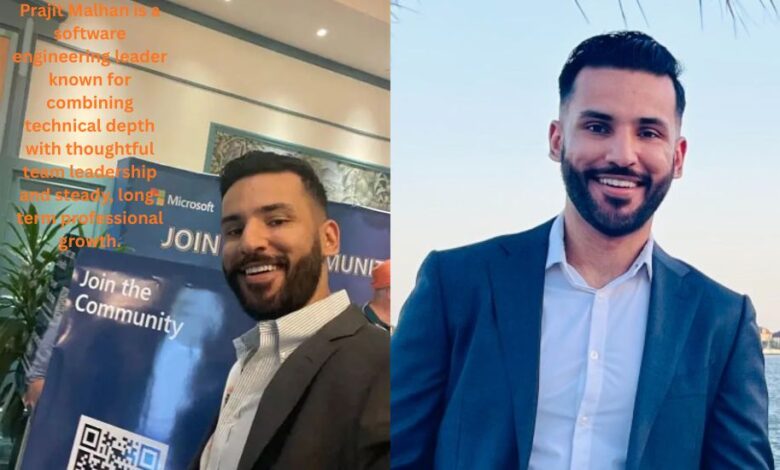
Prajit Malhan is a name that has steadily gained visibility in conversations around modern software engineering leadership. Rather than being associated with hype or dramatic headlines, his profile reflects something far more sustainable: long-term growth, technical depth, and a practical approach to leading teams in complex technology environments.
This piece takes a calm, fact-based look at Prajit Malhan—who he is, what his professional path looks like, and why his career resonates with many people working in technology today. The goal here is not to praise or criticize, but to explain, in plain language, how his work and public footprint fit into the larger picture of contemporary software careers.
At Newsta, we often focus on individuals whose stories show how steady effort and adaptability matter more than overnight success. Prajit Malhan’s professional journey aligns closely with that theme.
Career Path and Professional Focus
Prajit Malhan’s career is rooted in software engineering, with a clear progression from hands-on technical work to leadership responsibilities. Like many professionals in this space, his path reflects a combination of formal training, real-world problem solving, and gradual expansion into decision-making roles.
From Engineering Foundations to Leadership Roles
Early-stage software engineers typically focus on writing code, fixing bugs, and learning how systems behave at scale. Over time, some choose to remain deeply specialized, while others move toward roles that blend technology with people management. Prajit Malhan’s profile places him in the second category.
His work has been associated with senior-level engineering leadership, which usually involves responsibilities such as:
- Designing and reviewing system architectures
- Guiding teams through complex technical decisions
- Balancing long-term technical health with short-term delivery goals
- Mentoring engineers at different stages of their careers
This type of role is less about writing every line of code and more about ensuring that the overall system—and the people building it—move in the right direction.
Working in Complex, Real-World Environments
Senior software leadership roles often exist in industries where technology supports large, operational systems rather than consumer-facing apps. In such environments, reliability, safety, and long-term maintainability matter as much as innovation.
To explain this simply, imagine two types of software projects:
- A small mobile app that can be updated weekly
- A large industrial system that must run continuously with minimal downtime
Leading teams in the second scenario requires careful planning and risk management. Decisions must be tested thoroughly, changes rolled out cautiously, and documentation maintained with discipline. Prajit Malhan’s professional focus aligns more closely with this second model, where software is a critical part of larger operations.
Skills, Approach, and Technical Mindset
What sets many experienced technology leaders apart is not a single technical skill, but the way they think about problems. Prajit Malhan’s public professional footprint suggests a mindset shaped by consistency, structure, and learning.
Emphasis on Core Engineering Principles
While tools and programming languages change over time, strong engineers tend to rely on a stable set of principles. These often include:
- Writing clear, maintainable code
- Designing systems that can evolve without constant rewrites
- Prioritizing reliability over unnecessary complexity
- Understanding how software behaves under real-world constraints
Rather than chasing trends, professionals like Prajit Malhan appear to focus on fundamentals that remain useful across industries and projects.
Balancing Technical and Human Factors
One of the more challenging aspects of senior engineering roles is managing people as thoughtfully as systems. Software projects don’t fail only because of technical flaws; they often struggle due to miscommunication, unclear goals, or unrealistic timelines.
In leadership positions, this balance becomes critical. For example, a technically perfect solution that takes too long to deliver may not meet business needs. On the other hand, rushing a solution without proper review can introduce long-term problems.
Prajit Malhan’s career narrative reflects this balancing act—where engineering judgment is paired with an awareness of team dynamics and organizational priorities.
Public Presence and Professional Visibility
In today’s technology landscape, many professionals maintain some level of public presence. This doesn’t always mean aggressive self-promotion; often, it simply reflects participation in shared learning spaces.
Online Profiles and Knowledge Sharing
Public coding profiles, professional platforms, and occasional content creation allow engineers to:
- Document their learning journey
- Share solutions or ideas with peers
- Stay connected with evolving best practices
For readers unfamiliar with this practice, it’s similar to how professionals in other fields attend conferences or publish short opinion pieces. The goal is not fame, but engagement with a broader professional community.
Prajit Malhan’s visible online activity fits into this category. It signals continued interest in learning and staying relevant rather than a desire for attention.
Why This Matters in Modern Careers
Technology careers today are less linear than they once were. Roles evolve, industries change, and professionals often need to adapt multiple times over a decade.
A visible but measured professional presence can help by:
- Demonstrating ongoing competence
- Building credibility over time
- Making it easier to collaborate across teams or organizations
This approach aligns with the broader trend of engineers taking ownership of their professional identity rather than relying solely on job titles.
Interpreting His Career Through a Broader Lens
To fully appreciate Prajit Malhan’s profile, it helps to place it within the larger context of how technology careers function today.
The Shift from Individual Contributor to Enabler
Early in a career, success often means solving problems personally. Later, success is defined by enabling others to solve problems effectively.
This shift can be illustrated with a simple comparison:
- An individual contributor fixes ten issues directly
- A leader helps a team of ten people fix hundreds of issues sustainably
The second scenario requires trust, communication, and strategic thinking. Prajit Malhan’s progression suggests this type of evolution, where impact is multiplied through leadership rather than individual output alone.
Stability Over Spectacle
Not every influential technology professional builds a startup or becomes a public figure. Many contribute quietly by improving systems, mentoring colleagues, and maintaining standards that others rely on.
This kind of influence is less visible but often more durable. Over time, it shapes organizational culture and technical quality in ways that last long after specific projects end.
At Newsta, we often note that these quieter career paths are just as meaningful as more public ones. Prajit Malhan’s professional story fits well within that framework.
Practical Lessons From Prajit Malhan’s Professional Journey
While every career is unique, certain patterns in Prajit Malhan’s path offer practical takeaways for readers working in or entering the technology field.
1. Depth Still Matters
Even as technology tools evolve rapidly, deep understanding remains valuable. Building strong foundations early makes it easier to adapt later without starting from scratch each time trends change.
2. Leadership Is a Skill, Not a Title
Moving into senior roles requires more than technical excellence. Communication, patience, and decision-making under uncertainty become just as important.
3. Consistency Beats Short Bursts of Visibility
Sustained effort over many years often produces more meaningful results than short periods of intense attention. Careers built steadily tend to weather industry shifts better.
4. Learning Never Really Stops
Public profiles and ongoing engagement suggest that learning is not confined to early career stages. In technology, staying curious is often what keeps professionals effective over time.
How His Profile Resonates With Today’s Workforce
Many professionals today seek careers that are stable, adaptable, and intellectually engaging without being overwhelming. Prajit Malhan’s professional image reflects this balance.
Rather than positioning himself as a disruptor or visionary figure, his career appears grounded in execution and responsibility. This resonates with a growing segment of the workforce that values:
- Meaningful contribution over recognition
- Long-term growth over quick wins
- Collaboration over competition
Such careers may not dominate headlines, but they form the backbone of industries that rely on dependable technology.
Final Thoughts
Prajit Malhan represents a model of professional growth that feels realistic and sustainable. His path highlights how technical expertise, combined with thoughtful leadership, can lead to lasting impact without unnecessary noise.
For readers exploring technology careers—or simply interested in how modern professionals build long-term value—his profile offers a grounded example. It shows that success does not always require dramatic pivots or constant reinvention. Sometimes, it comes from doing the work well, learning continuously, and supporting others along the way.
At Newsta, stories like this remind us that progress often happens quietly, shaped by people who focus on building rather than broadcasting.